Attract Bluebirds To Your Own Backyard Yellow mealworms are the larval or grub stage of a beetle known as Tenebrio molitor. Mealworms should not be confused with earthworms. They are not smelly or slimy and they do not sting or bite, but are clean, odorless, and pleasant to handle. SEI mealworm larvae have had no contact with soil but are reared indoors on wheat bran. Mealworms will not become a pest or nuisance in or around the homes of users.
|
![]() |
||||
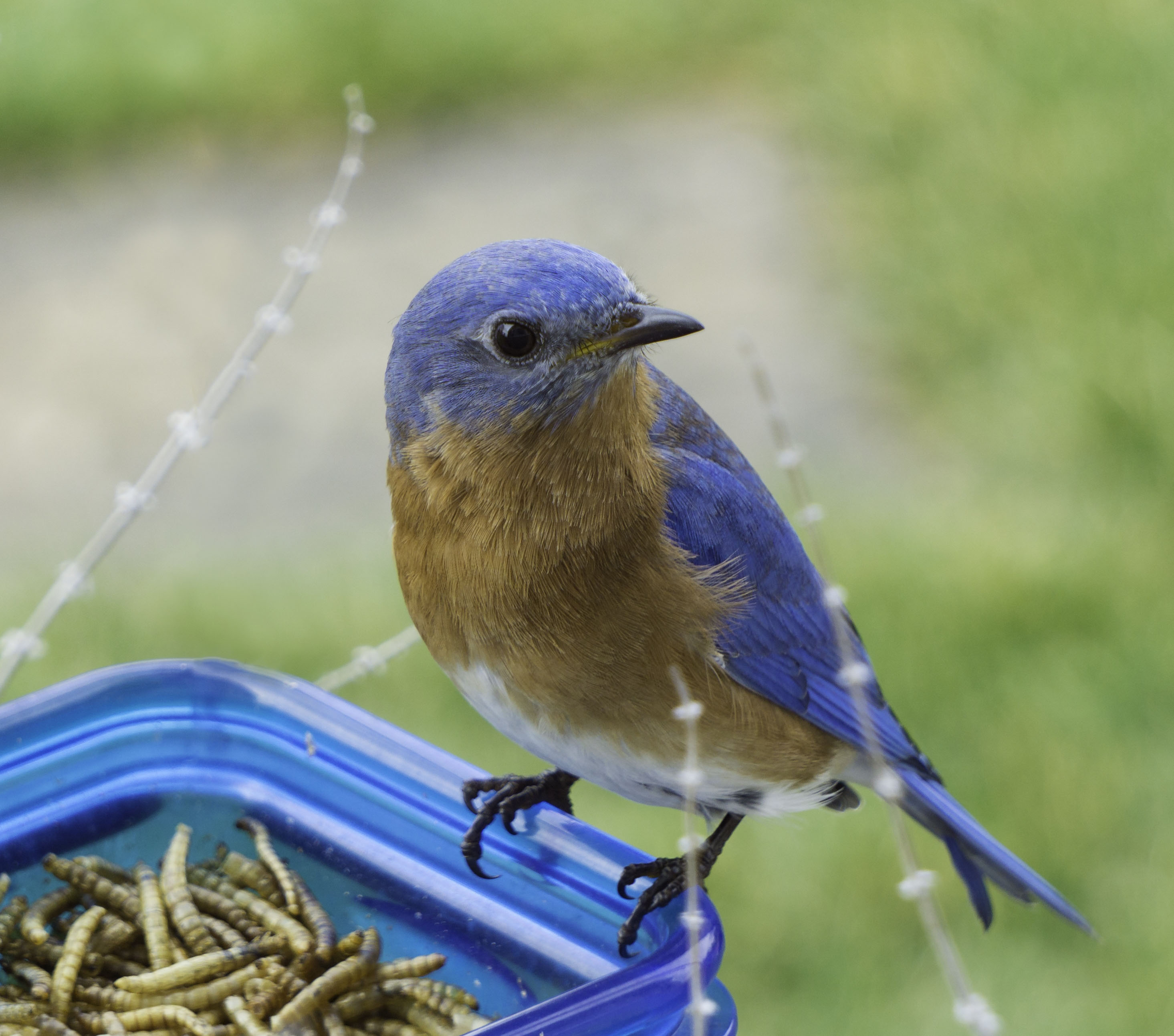
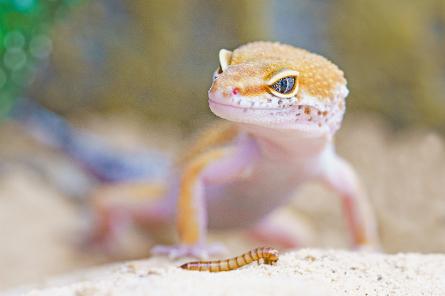
Primary uses for mealworms include food for wild birds and various pets including reptiles, fish, and certain small mammals. Mealworms are widely used in the rehabilitation of injured wild vertebrates including bats and lizards. They are also used in biological studies from grade school to universities. Mealworms are excellent bait for fish including trout, bream, and catfish. Most of our sales are to homeowners who enjoy watching or photographing wild birds in their own backyard. Many of nature's most beautiful wild birds such as bluebirds, chickadees, wrens, and titmice feed primarily on insects. Display of mealworms is the ideal way to attract these birds to your home -- where they can be observed for hours. It should be noted that insect feeding birds usually are not attracted to seed feeder displays. When you first begin feeding birds, place some mealworms in a shallow glass baking dish so they cannot escape. Place the dish in an area easily observed by birds. A dish placed on the ground near a commonly used bird resting place is ideal. Use a low-sided dish, because the birds may not enter a deep container. Once the birds become accustomed to this type feeding, you can place the mealworms and dish on any flat surface that does not allow them to hide from the birds. SEI also markets a unique bird feeder for displaying mealworms in your backyard. The feeder can be adjusted to prevent feeding by blackbirds, mockingbirds, jaybirds and other large birds, but allows feeding by small colorful birds. The feeder also provides mealworms protection from sun, rain and ants.
|
|||||